

under $20
Hiasan Sheer Curtain Panels
4.3
Starting around $16.99 — check Amazon for current price
Check Price on Amazon →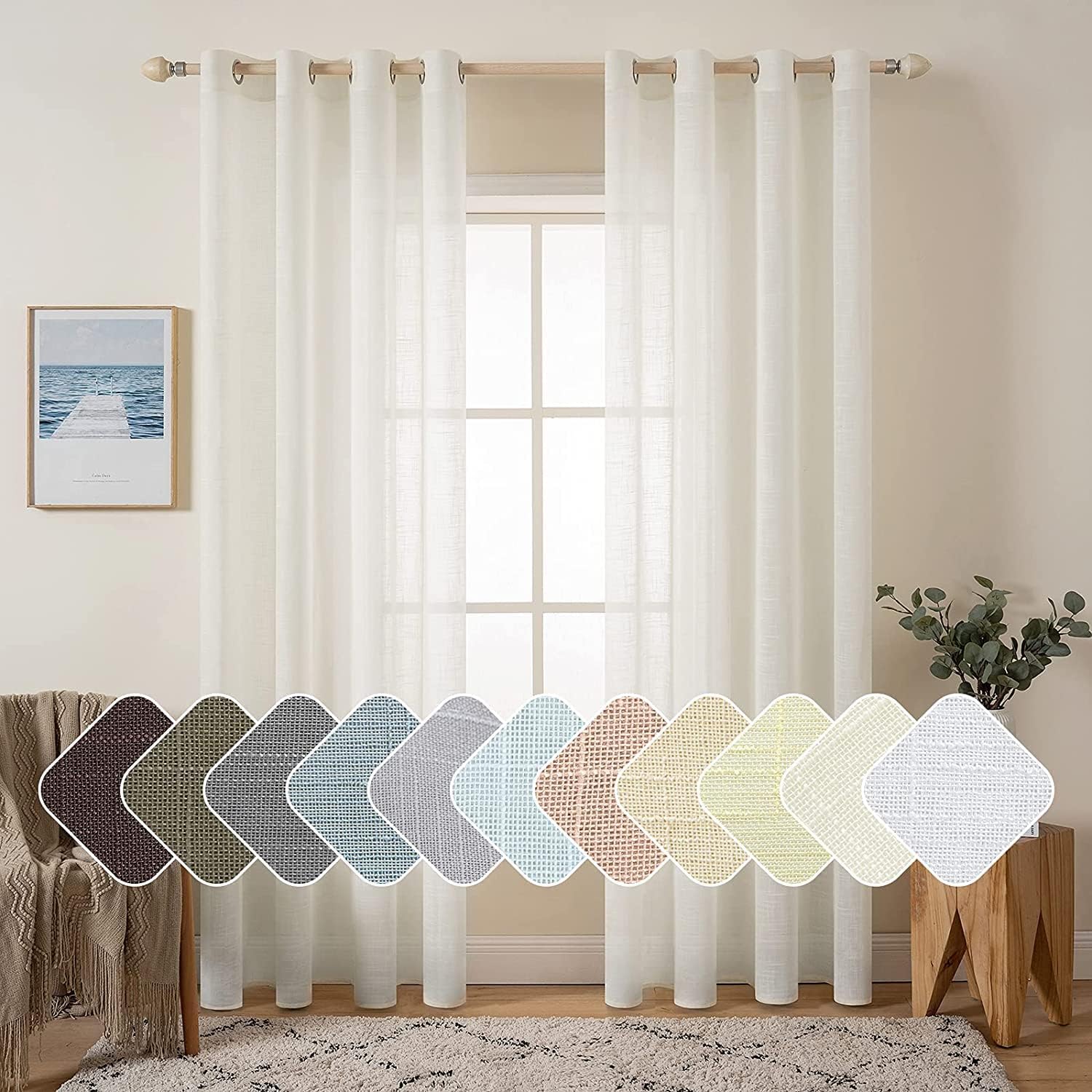
5 best cheap sheer curtains under $35 — soft light filtering, real daytime privacy, linen-look textures. Sizing guide included. Updated September 2026.
Starting around $16.99 — check Amazon for current price
Check Price on Amazon → Starting around $24.99 — check Amazon for current price
Check Price on Amazon →
Starting around $32.99 — check Amazon for current price
Check Price on Amazon →
Starting around $18.99 — check Amazon for current price
Check Price on Amazon →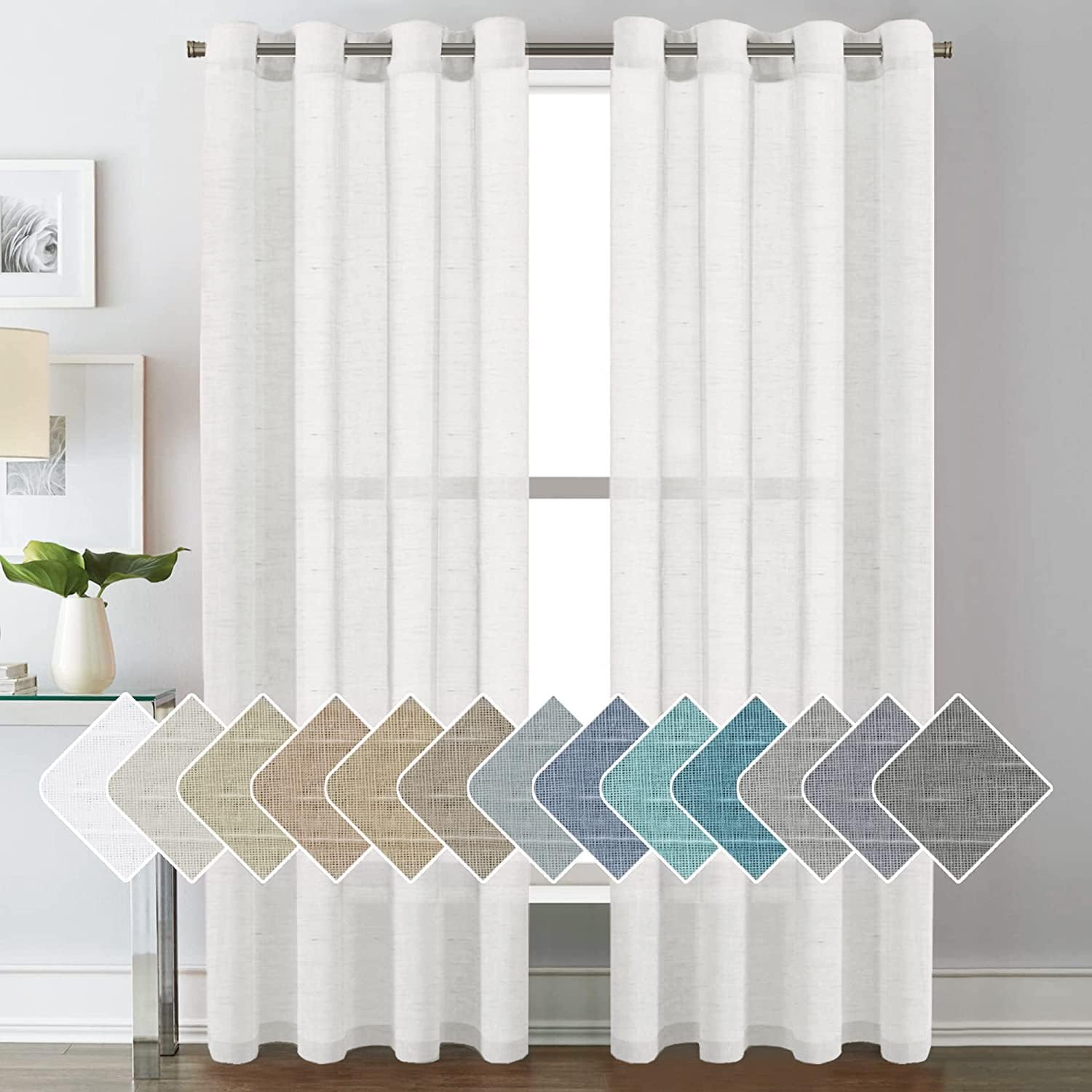
Starting around $26.99 — check Amazon for current price
Check Price on Amazon →Sheer curtains do something most window treatments can’t: they let in soft, diffused light while still screening your interior from the street. The tradeoff used to be paying a premium for decent drape and fabric quality. Not anymore. The options on this page run $16–$33 and hang better than sheers that cost twice as much.
Living rooms and dining rooms are the primary use case. Natural light during the day, privacy from neighbors, and a finished look without the weight of heavy drapes. Sheers are ideal for rooms where you want brightness, not darkness.
Bedrooms with light-sensitive sleepers usually want blackout panels — but sheers work in bedrooms where you actually want some morning light to wake up naturally. They’re also a popular layering choice: sheers in front, blackout panels behind, giving you full control.
Kitchens benefit from lighter-weight sheers and shorter lengths. See our cheap kitchen curtains page if that’s what you need — some of those picks are technically sheers and are sized for kitchen windows.
Offices and sunrooms where you want to see outside but reduce glare. Sheers cut direct sunlight by 30–50% without blocking the view.
Fabric weight and drape. Cheap sheers can be stiff or flimsy. The best budget options use polyester with a linen-look weave — heavier than standard voile but still translucent. This is what gives them a more expensive appearance without the price.
Panel width. Most sheers come in 52-inch-wide panels. For a full, gathered look, you want 1.5–2x your window width in total curtain material. A standard 36-inch window needs two 52-inch panels. Don’t buy a single panel and expect it to look full.
Rod pockets vs. grommets. Rod pockets create more formal, tightly gathered folds. Grommets give a more modern, evenly spaced look and slide easier. Both work fine — pick based on aesthetic.
Wrinkle resistance. Sheers wrinkle in shipping. Look for polyester blends marketed as wrinkle-resistant, or be prepared to steam them before hanging.
Hiasan Sheer Curtain Panels — $16.99 for two grommet panels with tiebacks included. These are the value winner. Twelve grommets per panel, reinforced seam edges, and the tiebacks are actually useful (they let you pull the panels fully aside for maximum light). The white and off-white options are the most versatile. At this price, buying two sets for a wider window is still cheaper than most alternatives.
YoungsTex Short Linen Curtains — $18.99 for two rod-pocket panels. These are shorter (36-inch length) and work best on kitchen windows or as café-style lower panels, but they’re worth mentioning here because the linen-weave texture is noticeably better than polyester sheers at the same price. The natural and cream tones are popular for living rooms where you want warmth over crisp white.
MIULEE Linen Sheer Curtains — $24.99 for two panels. This is the best all-around sheer on this list. The linen-look fabric has a realistic texture that holds up visually from across a room. Available in floor-length (84, 96 inches) and standard sizes. Hangs with excellent drape right out of the package and stays wrinkle-free after the first wash. If you’re furnishing a living room and want something that looks intentional, these are worth the extra few dollars over the budget picks.
H.VERSAILTEX Sheer Linen Curtains — $26.99 for two grommet panels. A step up in refinement — the blend ratio is higher in linen content, which shows in the texture. These look genuinely upscale at a budget price. Good choice if guests will see the room and you don’t want the curtains to look like an afterthought. The natural, beige, and sand options coordinate well with warm-toned interiors.
Deconovo Linen Look Curtains — $32.99 for two panels. The most substantial option here — slightly more opaque than a true sheer, closer to “light filtering.” Good if you want daytime privacy that’s a bit stronger than a standard sheer provides, while still letting in diffused natural light. The textured weave holds its shape well after repeated washing.
These terms get used interchangeably by sellers, but they mean different things — and the difference affects how much privacy and light control you actually get.
Sheer (voile): Nearly transparent. You can see through them from inside looking out, and from outside looking in during daylight. They diffuse light but don’t really block it. Privacy rating: minimal. Best for upper floors or rooms set back from the street.
Semi-sheer (linen-look): Most of the curtains on this page fall here. The weave is tight enough to blur the view from outside during daylight, but you can still see shapes if someone is close. Light filtering is moderate — expect 30–50% reduction. Privacy rating: moderate daytime, low nighttime. Best for living rooms and kitchens.
Light filtering (textured weave): The Deconovo on this page is in this category. More opaque than a true sheer — you can’t see through them at all during the day. They still let in diffused light, but the room will be noticeably dimmer than with a sheer. Privacy rating: good daytime, moderate nighttime. Best for bedrooms where you want morning light but not full brightness.
For most living rooms, semi-sheer is the sweet spot. You get the look and light of a sheer with enough privacy to be comfortable on a ground floor.
Color choice matters more in sheers than in opaque curtains because the fabric is translucent — light passes through it and changes the color cast in your room.
White is the default for a reason. It maximizes brightness, works in every room, and creates the cleanest light diffusion. It’s also the most forgiving of wrinkles and imperfections because there’s no color contrast to highlight texture issues.
Off-white and ivory add warmth. If your room has warm wood floors, warm-toned furniture, or cream walls, these are better than stark white. They give a softer, more lived-in feel without looking yellowed.
Light gray is the modern alternative to white. It still lets in plenty of light but adds a slightly cooler, more contemporary tone. Works especially well in rooms with white or light gray walls, stainless steel, or cool-toned furniture.
Natural/flax tones are the best choice for rooms where you want texture to read as intentional. The linen-look sheers in this price range (MIULEE, H.VERSAILTEX) look their best in natural tones because the weave pattern is more visible.
Avoid: Bold or saturated colors in sheers. Red, navy, emerald — these all look washed out and cheap when the fabric is translucent. The color becomes patchy where the weave is thinner and concentrated where it’s thicker. If you want color, do it with opaque panels and keep sheers neutral.
Sheer curtains need more frequent washing than heavy drapes because the lightweight fabric attracts and holds dust through static charge. Here’s how to keep them looking fresh without damaging them:
Machine washing: Use a mesh laundry bag (one per panel) to prevent tangling. Cold water, gentle cycle. Skip the fabric softener — it can leave a residue that attracts more dust. Use a small amount of mild detergent.
Drying: Hang immediately after washing. Do not leave wet sheers bunched in the washer — they’ll wrinkle in ways that are hard to reverse. If you must use a dryer, tumble on low or no-heat for 5–10 minutes maximum, then hang while still slightly damp.
Wrinkle removal: A handheld garment steamer is the best tool for sheers. Hold it 6 inches from the fabric and work in vertical passes. Don’t use a standard iron on polyester sheers — the heat can melt or distort the weave. For stubborn wrinkles on linen-blend sheers, a low-heat iron with a pressing cloth works.
Frequency: Every 3–4 months for most rooms. Monthly for kitchens (grease and cooking odors absorb into sheer fabric). If someone in the house has allergies, monthly washing in any room makes a noticeable difference.
The most versatile window treatment approach: hang a sheer on a front rod (or inner bracket), blackout panels on a rear rod. During the day, pull the blackout panels to the sides and let the sheers diffuse the light. At night, close the blackout panels for full darkness and privacy. This is what hotels do, and it works in any bedroom.
You’ll need a double curtain rod bracket (two rods at the same window) or a rod with two rings. These are inexpensive — under $25 for most windows — and the combination of sheers plus blackout is more functional than either alone.
| Window Width | Panels Needed | Notes |
|---|---|---|
| Under 30 inches | 2 panels (52” each) | Slight extra fullness at sides |
| 30–48 inches | 2 panels (52” each) | Standard coverage |
| 48–72 inches | 2 panels (52” each) or 4 for fuller look | Extend rod 6” past frame on each side |
| 72+ inches | 4 panels | Use center bracket on rod |
Length: Measure from the rod to the floor and subtract half an inch for a clean break. Add 1–2 inches if you want a slight puddle. Most standard rooms use 84-inch sheers. If you have 9-foot ceilings, go to 96 inches.
Mount the rod as close to the ceiling as practical — at minimum 4–6 inches above the window frame. This makes the window look taller and the room feel larger. Extend the rod 3–4 inches past the window frame on each side so the curtains sit outside the frame when open and don’t block any light.
If you’re hanging sheers in front of heavier curtains, use a bracket with 5+ inches of projection so the front rod clears the back rod and both can move independently.
Looking for something specific? These guides cover related decisions:
During the day, yes — from the street or a neighbor at distance, sheers obscure the interior. Up close or at night with interior lights on, sheers provide minimal privacy. For nighttime privacy, layer sheers with blackout or room-darkening panels.
Hang them immediately after a warm cycle in the dryer (5–10 minutes on low). For stubborn wrinkles, a handheld steamer works faster than an iron and is less likely to damage the fabric. Don't use high heat on polyester sheers.
Yes, but use a polyester sheer rather than a linen blend — polyester handles humidity better. Keep the curtain away from direct water contact and wash it every few weeks. Avoid placing sheers over the shower itself.
Two panels per window is standard. For a full, gathered look (recommended), you want total panel width to be 1.5–2x the window width. Two 52-inch panels covers windows up to about 70 inches with good fullness. For very wide windows or bay windows, use four panels.
Sheer curtains block 20–40% of UV rays, which reduces furniture fading over time. They don't have meaningful thermal insulation. If energy efficiency is a priority, look at blackout or thermal curtains — sheers are primarily about light diffusion, not insulation.
Sheer curtains are nearly transparent — you can see shapes and silhouettes through them clearly. Semi-sheers have a tighter weave that diffuses more light and provides better daytime privacy. If you want maximum light, go sheer. If daytime privacy matters (ground floor, close neighbors), semi-sheer is the better choice. Most linen-look curtains on this page fall into the semi-sheer range.
White is the safest and most popular — it works in every room, maximizes light diffusion, and matches any decor. Off-white and ivory add warmth for rooms with wood floors or warm-toned furniture. Light gray sheers are gaining popularity for modern interiors. Avoid bold colors in sheers — the transparency makes saturated colors look washed out and cheap.
Every 3–6 months, or when they start looking dingy. Sheers collect dust faster than heavier curtains because static clings to the lightweight fabric. Machine wash on a gentle cycle in cold water inside a mesh laundry bag, then hang-dry immediately. Never put sheers in a hot dryer — polyester shrinks and wrinkles permanently.