

hardware add-on
Amazon Basics Curtain Rod 48-88 inches
4.4
Starting around $25.19 — check Amazon for current price
Check Price on Amazon →
8 best cheap curtain rods under $25 — standard, wide-window, tension, and double rods compared. Sturdy, easy to install, every finish. Updated September 2026.
Starting around $25.19 — check Amazon for current price
Check Price on Amazon →
Starting around $17.59 — check Amazon for current price
Check Price on Amazon → Starting around $22.99 — check Amazon for current price
Check Price on Amazon →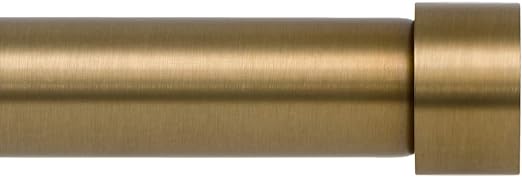
Starting around $34.99 — check Amazon for current price
Check Price on Amazon →
Starting around $37.99 — check Amazon for current price
Check Price on Amazon →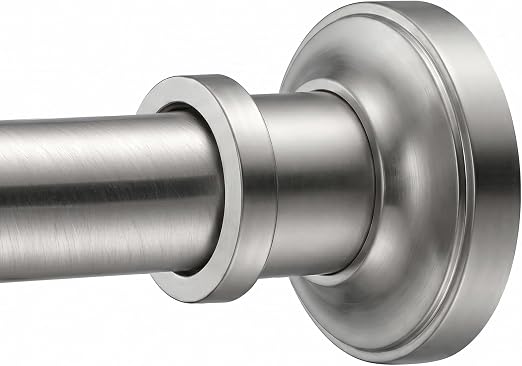
Starting around $15.99 — check Amazon for current price
Check Price on Amazon →
Starting around $32.00 — check Amazon for current price
Check Price on Amazon →
Starting around $16.63 — check Amazon for current price
Check Price on Amazon →A bad curtain rod makes even expensive curtains look cheap. The good news: you don’t need to spend much to get a sturdy, clean-looking rod. The picks below are all under $25 and back the curtains you hang without bowing, slipping, or rust.
Three questions before you buy:
The AmazonBasics 1-inch adjustable rod is the workhorse. It covers the most common window width range (28–48 inches), comes in brushed nickel, black, bronze, and white, and supports curtains up to about 15 pounds without bowing. At $10–$14, it’s hard to argue with.
Good for: Bedroom, living room, most standard windows. Pairs well with grommet or rod-pocket panels.
For windows wider than 48 inches, step up to an adjustable rod with center bracket support. The Ivilon 1-inch pole (66–120 inch range) at $18–$22 includes a center bracket that prevents sagging under heavier panels. Steel construction, available in 4 finishes. Required for any window over 60 inches unless you’re hanging lightweight sheers.
Good for: Wide windows, sliding doors, bay window sections, anywhere with heavy blackout panels.
Tension rods need zero tools and zero holes. They work by spring pressure against the window frame or wall. Best for: rental apartments, inside-mount (café curtain style), or any window where you don’t want to commit. AmazonBasics and Zenna Home both make solid tension rods in the $8–$12 range.
Important limitation: Tension rods are for lightweight panels only — sheers, lace, lightweight linen. They’re not rated for room-darkening or blackout curtains. High-traffic rooms (kids’ rooms where curtains get pulled) also stress tension rods over time.
If you’re hanging blackout curtains plus sheers together (the layered look), you need a double rod. Double rods hold two separate panels on two separate rods — the back rod for blackout panels, the front rod for decorative sheers. The Amazer double curtain rod ($18–$24) at 72 inches is a reliable budget option with good bracket quality.
Good for: Living rooms and bedrooms where you want both light control and a finished look. Any window where you layer sheers over blackout panels.
No finish performs better than another — pick what matches your existing hardware.
Budget rods perform like expensive ones when installed correctly. Most installation failures come from skipping the anchors.
Step-by-step:
One level check before curtains go on saves you from re-doing the whole job.
Mount the rod as close to the ceiling as possible — not just above the window frame. This is the single biggest visual upgrade you can make with zero additional cost. Floor-to-ceiling curtains on a high-mounted rod make windows look taller and rooms feel larger. Standard recommendation: 4–6 inches above the window frame minimum; as high as 2 inches below the ceiling for the best look.
For most windows, the AmazonBasics 1-inch adjustable rod ($10–$15) covers 28–48 inches with solid reviews. For wider windows (48–86 inches), Ivilon tension-free rods around $18–$22 offer better support and a cleaner look. Both are available in brushed nickel, bronze, black, and white.
You don't need to spend more than $15–$25 for a standard curtain rod. Budget rods at this price handle curtains up to 15 pounds, fit most standard windows, and come in every major finish. Spending more mainly buys heavier gauge steel or decorative finials — not better performance.
Rods wider than 60 inches can sag with heavy curtains if installed without a center support bracket. Buy a rod set that includes a center bracket for any window wider than 60 inches, or add a universal center support for $5–$8. Most budget rods under 48 inches don't need one.
Measure your window width and add 8–12 inches total (4–6 inches per side). This allows curtains to stack back fully when open and makes windows appear wider. A 36-inch window needs a 44–48 inch rod minimum. Most adjustable rods cover a range of widths, so one rod often fits multiple windows.
Yes, for lightweight curtains (sheers, lace, lightweight panels). Tension rods work well in rental apartments where you can't drill. For heavier curtains or high-traffic rooms, stick with mounted rods — tension rods can slip over time under repeated use.