

budget pick
NICETOWN Thermal Blackout Curtains
4.6
Starting around $21.95 — check Amazon for current price
Check Price on Amazon →
Best cheap bedroom curtains for light blocking and better sleep — blackout, room darkening, and layered options under $30. Updated September 2026.
Starting around $21.95 — check Amazon for current price
Check Price on Amazon →
Starting around $16.99 — check Amazon for current price
Check Price on Amazon →
Starting around $39.99 — check Amazon for current price
Check Price on Amazon → Starting around $47.95 — check Amazon for current price
Check Price on Amazon →
Starting around $50.95 — check Amazon for current price
Check Price on Amazon →
Starting around $51.99 — check Amazon for current price
Check Price on Amazon →
Starting around $21.99 — check Amazon for current price
Check Price on Amazon →
Starting around $22.99 — check Amazon for current price
Check Price on Amazon →
Starting around $35.95 — check Amazon for current price
Check Price on Amazon →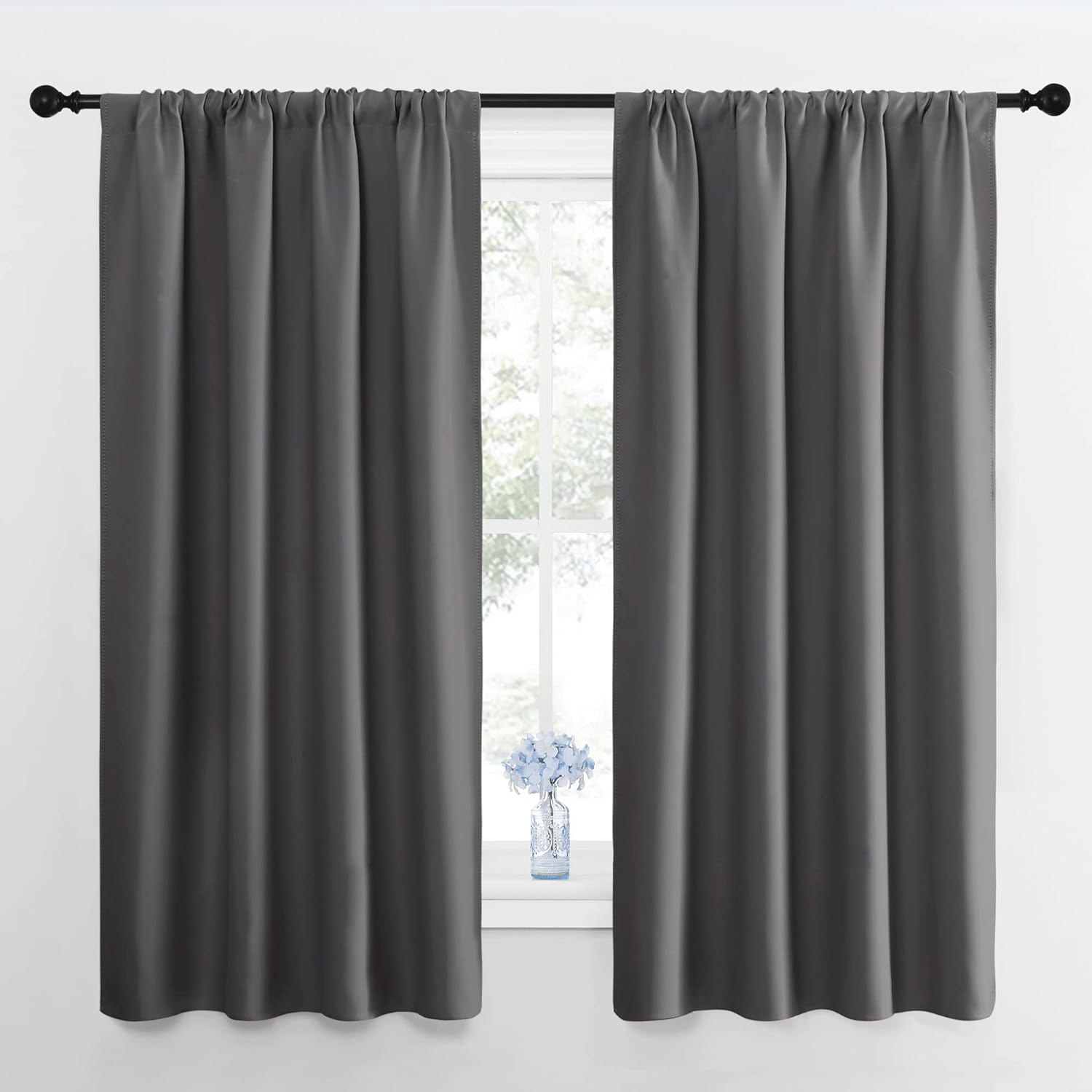
Starting around $42.00 — check Amazon for current price
Check Price on Amazon → Starting around $40.00 — check Amazon for current price
Check Price on Amazon →Your bedroom is the one place where curtains actually matter for your health. The wrong curtains mean waking up at 6 AM on a Saturday to sun blasting through a thin panel. The right ones mean sleeping in. Here’s what actually works, all under $30.
Living room curtains are about looks. Bedroom curtains are about function. You need them to block light reliably, hold up to being opened and closed twice a day, and not look terrible in the process. That’s a taller order than it sounds at the budget price point.
The biggest mistake people make is buying “room darkening” curtains when they actually need blackout. Room darkening blocks about 70–85% of light—which sounds good until 7 AM sunlight still hits you in the face. True blackout panels use triple-weave or foam-backed fabric that blocks 95% or more. The difference at night is enormous.
Triple-weave or blackout lining. This is the most important spec. Look for it explicitly in the product title or description. If a curtain just says “darkening” without specifying the technology, assume it lets in more light than you want.
Grommet vs. rod pocket. Grommets slide easier and look more modern. Rod pockets are more formal and slightly better at blocking light at the top edge. Either works fine for bedrooms—pick based on your rod style.
Width matters more than people think. One 52-inch panel does not cover a standard window properly. You need two panels, and they should overlap in the middle by a few inches when closed. Buy panels that are 52–54 inches wide and hang two of them for any window wider than 30 inches.
Length. Go floor-length for bedrooms—it creates a tighter seal against light sneaking in at the bottom. Standard 84-inch length works for 8-foot ceilings. If you have 9-foot ceilings, go 96 inches.
NICETOWN Thermal Blackout Curtains are the standard recommendation for a reason. The triple-weave construction genuinely blocks light, they come in over 20 colors (including blackout black, navy, and neutral grays), and they’re machine washable. At $24.99 for a two-panel set, they’re hard to beat. They’ve been a top seller for years because they deliver on the core promise: keeping your bedroom dark.
BGment Blackout Curtains are a slightly cheaper alternative at $22.95 with a double-layer construction that achieves similar blackout performance. The taupe and gray options are popular for bedrooms because they’re neutral and work with most bedding. One advantage over NICETOWN: the fabric is a bit lighter weight, making them easier to open and close without the rod bending under the load.
Deconovo Room Darkening Curtains are for bedrooms where you want some light in the morning but not a full sun blast. At $19.99, they block around 85% of light—perfect if you use an alarm clock and don’t need total darkness, but still want to sleep past sunrise. The grommet style (42x72 inches) also works well on shorter windows or as a layering option under sheer panels for a more finished look.
NICETOWN Blackout Curtains with Tiebacks add tiebacks to the mix for $27.99, which is genuinely useful in bedrooms where you want to pull the curtains fully open during the day without them flopping around. The tiebacks are magnetic, so there’s no fussing with hooks or knots. This combo set also blocks light well and comes in standard bedroom-friendly colors.
Standard bedroom window (30–36 inches wide): Two 52-inch panels on a rod that extends 3 inches past each side of the frame. Total rod span: ~44 inches. 84-inch length for 8-foot ceilings.
Wide bedroom window (48–60 inches wide): Still two 52-inch panels, but make sure your rod extends fully to create light-blocking coverage. Some people use three panels on wider windows for better overlap in the center.
Sliding glass door to patio: Use four panels (two pairs) and a rod that extends well past the door. The goal is being able to pull all four panels to one side when open.
For the darkest possible bedroom, layer blackout panels over sheer curtains. The sheers let in some diffused light during the day when you want them, and the blackout panels close over them at night. This two-layer approach is what hotels use. Use a double rod (two rods stacked on the same bracket) to hang both sets independently.
Sellers use these terms loosely, so here’s what they actually mean:
| Feature | Room Darkening | Blackout | Total Blackout |
|---|---|---|---|
| Light blocked | 70–85% | 95–99% | 99.9%+ |
| Fabric construction | Double-layer | Triple-weave | Triple-weave + foam backing |
| Can you see light at edges? | Yes | Slight glow | Almost none |
| Price range (2 panels) | $15–22 | $22–30 | $28–40 |
| Best for | Guest rooms, offices | Most bedrooms | Shift workers, nurseries, home theaters |
The practical test: If you hold the fabric up to a window and can see daylight through it, it’s room darkening, not blackout. True blackout curtains should look nearly opaque when held against light. The NICETOWN and BGment panels on this page pass this test.
For shift workers: Standard blackout curtains still let in light at the edges — where the curtain meets the wall and at the top above the rod. To get true total darkness, you need a wrap-around rod (which curves the rod ends toward the wall to block side light) plus Velcro tape along the top edge. The curtain fabric itself does the work; the installation closes the gaps.
If you can’t drill holes in your walls, you still have good options:
Tension rods work in window frames up to about 60 inches. They press-fit between the sides of the frame and hold lightweight to medium-weight curtains. They won’t support heavy velvet, but NICETOWN and BGment blackout panels are light enough. The tradeoff: they sit inside the frame, which means light gaps at the top and sides. For better light blocking, get a tension rod that’s 1–2 inches wider than the inside of the frame so it compresses slightly for a tighter fit.
Command hooks rated for 7+ pounds can hold a lightweight rod. Place them 4–6 inches above the window frame on each side. This gets you the “hang from the ceiling” look without wall damage. Remove cleanly when you move.
Temporary blackout solutions: If you need darkness immediately while waiting for curtains, blackout window film (static cling, not adhesive) blocks light completely. Peel it off when you move. Not attractive, but effective for sleep quality while you set up a permanent solution.
The color of your bedroom curtains affects the room’s feel more than you might think:
Dark colors (navy, charcoal, black) block the most light because they absorb rather than transmit. If maximum darkness is the goal, dark-colored blackout curtains outperform white or light-colored ones by 3–5%. Black is the most effective but feels heavy — navy or charcoal achieve nearly the same light blocking while keeping the room from feeling like a cave.
Neutral colors (gray, taupe, greige) are the most versatile choice. They work with any bedding, don’t compete with wall art, and look appropriate in any season. Light gray is the most popular bedroom curtain color for a reason — it’s the background player that lets everything else in the room shine.
White blackout curtains exist and work well. The light blocking comes from the inner triple-weave layer, not the fabric color. White curtains make a bedroom feel larger and cleaner. The tradeoff: they show dust and stains faster than darker options.
Avoid warm reds, oranges, and bright yellows in a bedroom. These stimulating colors make it harder to wind down at night. Cool and neutral tones promote better sleep — this isn’t just design theory, it’s backed by research on color psychology and sleep quality.
Mount your rod close to the ceiling, not just above the window frame. This makes the window look taller and, more importantly, cuts off the light gap at the top. Use wall anchors if you’re not hitting a stud—curtain rods pull out of drywall over time without them.
Hang the curtain before cutting the rod to length if it’s adjustable. Hold the curtain up at the rough position, then set the rod length so the panels overlap by 2–3 inches in the center when closed.
For bedrooms, blackout or room-darkening curtains with thermal backing work best. They block morning light, reduce noise, and help regulate room temperature. Triple-weave construction (like NICETOWN or BGment) is the most effective at blocking light at a budget price.
You can get high-performing bedroom curtains for $20–$30 per two-panel set. That price range covers triple-weave blackout panels that consistently earn strong reviews for light-blocking performance. Spending more doesn't meaningfully improve function — it mostly changes the fabric style.
Two panels for any window wider than 30 inches. One panel looks sparse and leaves a light gap in the center. Hang both panels on a single rod so they overlap by 2–3 inches when closed for a full light seal.
Floor-length curtains (84 inches for 8-foot ceilings, 96 inches for 9-foot ceilings) look the best and block the most light. Curtains that stop at the window sill leave a gap at the bottom that lets in light and makes the room feel smaller.
Wash in cold water on a gentle cycle and hang-dry instead of using a dryer. Avoid ironing blackout panels directly — the backing can be damaged by high heat. With proper care, budget blackout curtains maintain their appearance and performance for 4–5 years.
Yes — blackout curtains are recommended for nurseries because they help babies nap during the day by simulating nighttime darkness. Choose curtains without cords (grommets or tab-top) to eliminate a strangulation hazard. Mount the rod high enough that the baby can't reach the fabric from the crib.
Heavy curtains reduce noise by 5–10 decibels, which makes a noticeable difference for traffic noise or neighbors. Triple-weave blackout curtains provide the best noise dampening at the budget price point. For maximum noise reduction, choose floor-length panels that sit flush against the wall on both sides — air gaps let sound through.
Yes. Floor-length curtains block more light at the bottom edge and look significantly better than sill-length panels. The ideal length is a half-inch above the floor (a clean break) for easy cleaning. A 1–2 inch puddle on the floor looks more formal but collects dust and pet hair faster.